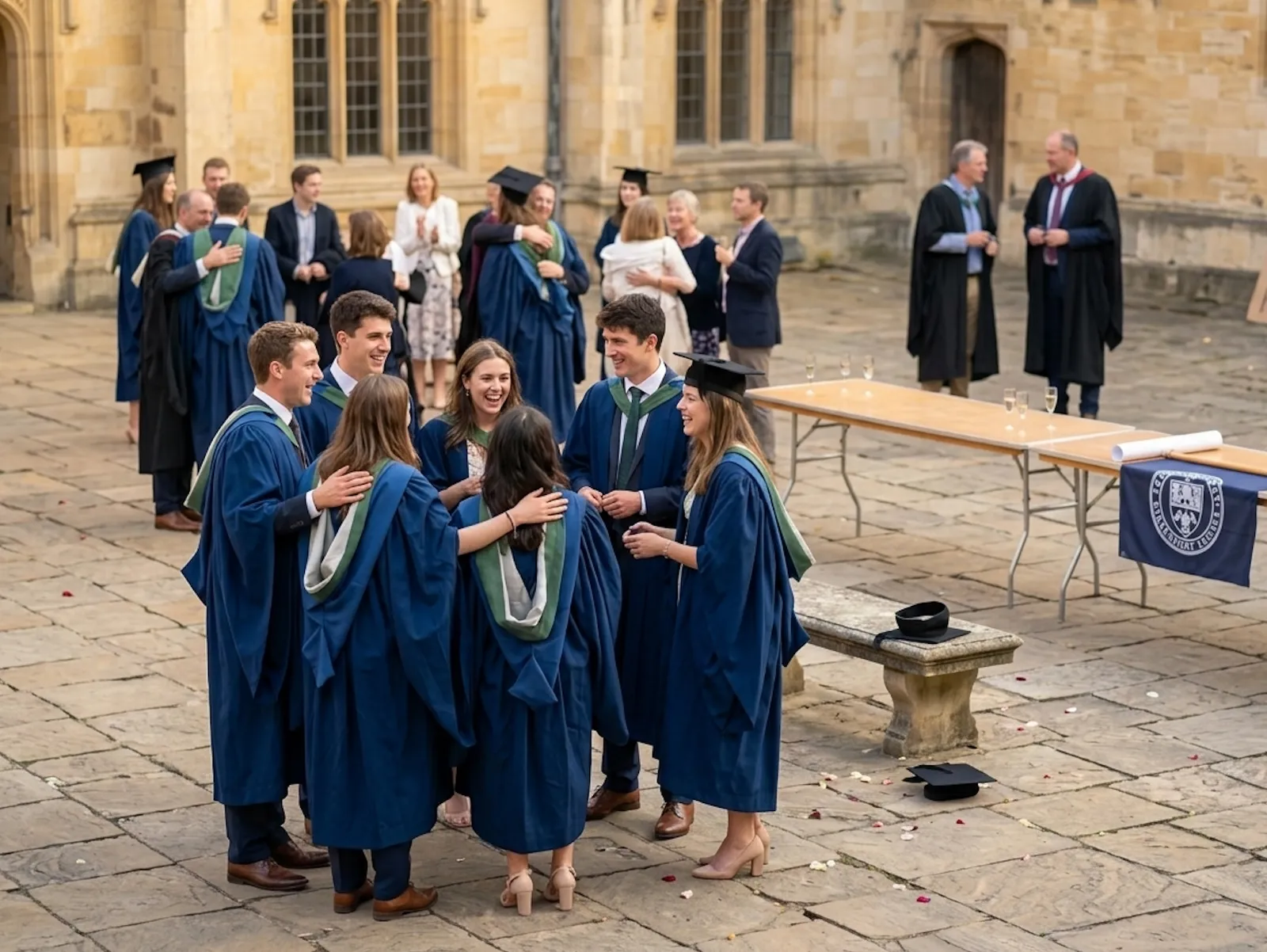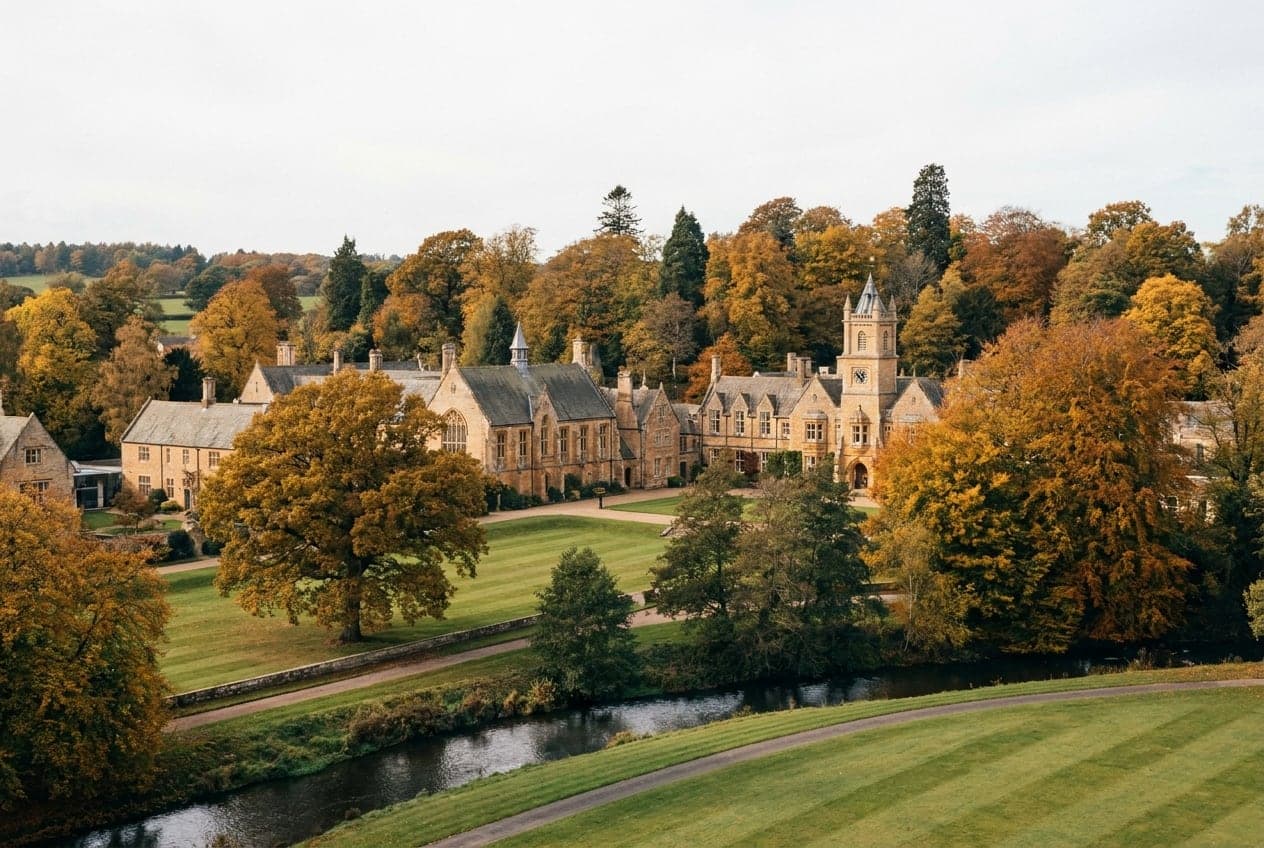
British boarding schools have welcomed international students for generations, and today more than 30% of pupils at many independent schools come from outside the UK. For children arriving from the Gulf, Asia, Africa or the Americas, the transition is both exciting and, at times, disorienting — and understanding what to expect makes it far easier.
The first term is the most important. Schools know this, and the best of them invest heavily in orientation programmes, language support, and structured social activities designed to help new international students find their footing quickly. Having a clear point of contact — a houseparent, a mentor, or even an older student from the same country — can make the first weeks feel far less lonely.
Language is rarely the barrier parents expect it to be. Children immersed in an English-speaking environment typically see rapid progress within a single term, particularly in a boarding setting where English is spoken from breakfast to lights-out. Many schools also offer EAL (English as an Additional Language) support as standard.
Cultural adjustment is the subtler challenge. British school culture values a particular kind of dry humour, a tolerance for rain, and an enthusiasm for team sport. These are learnable — and most international students find them charming once the initial strangeness fades. By the end of the first year, many international boarders describe themselves as the most adaptable people they know.
Parents can support this transition best by trusting the process, maintaining regular but not excessive contact, and encouraging their child to say yes to everything in those first few weeks — clubs, matches, trips and conversations.